

Activity Report
Digest Video
Japan Pavilion Welcomes International Visitors during COP30
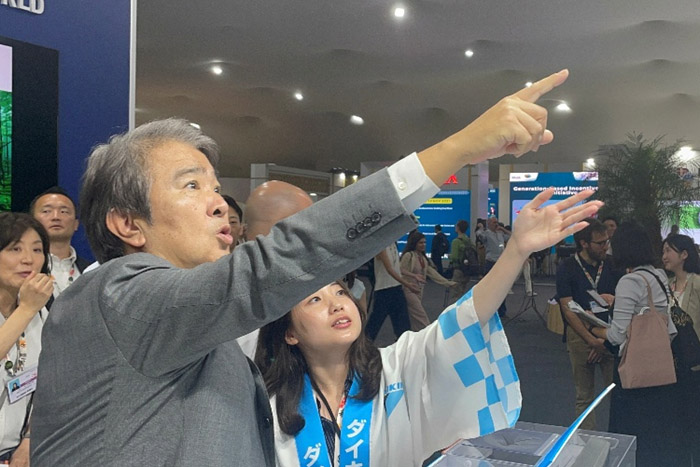
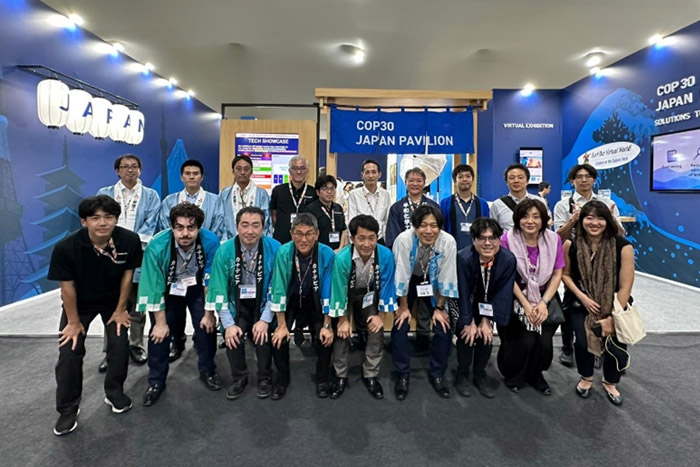

At the COP30 Japan Pavilion, nine on-site showcases, 61 virtual showcases, and 34 seminars were held, delivering Japan’s efforts and innovations to stakeholders—including government officials, local authorities, private companies, research institutions, international and regional organizations, and NGOs—both online and offline.
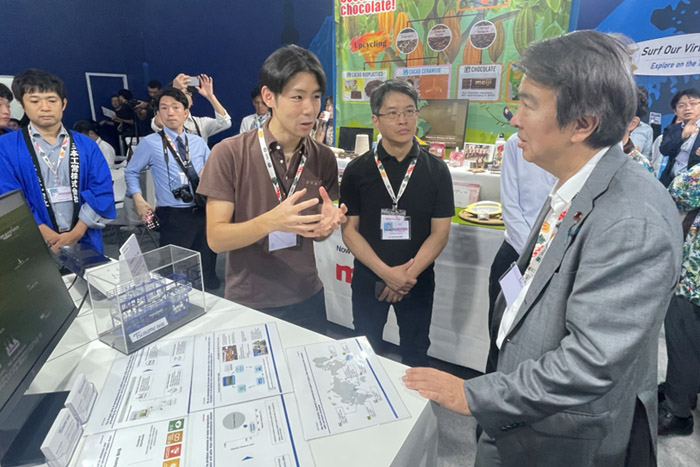
H.E. Mr. Hirotaka Ishihara, Minister of the Environment, Japan, together with high-level representatives from the United Arab Emirates, Malaysia, and Pakistan, visited the Pavilion, demonstrating strong engagement with Japan’s cutting-edge environmental technologies. Their presence underscored the importance of international collaboration and highlighted Japan’s leadership in advancing innovative solutions for climate action.
Showcasing Japan’s Environmental Solutions at the Japan Pavilion
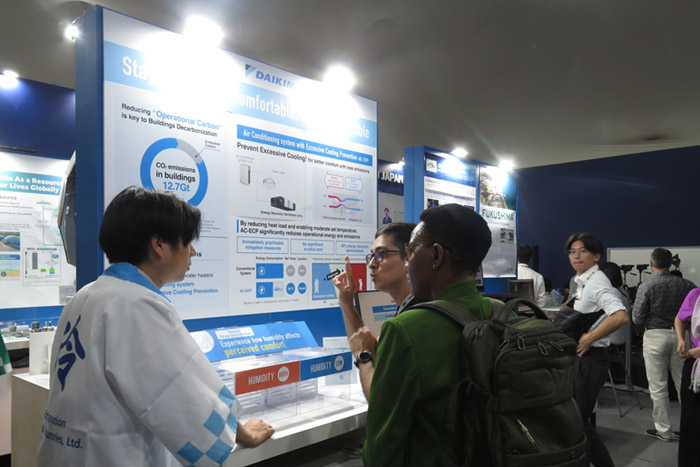
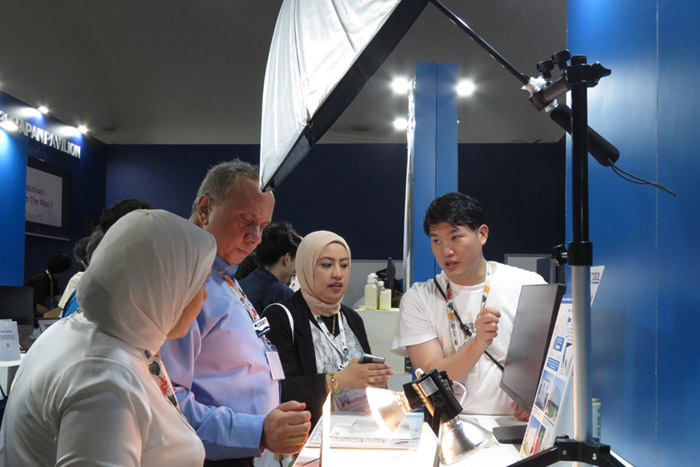
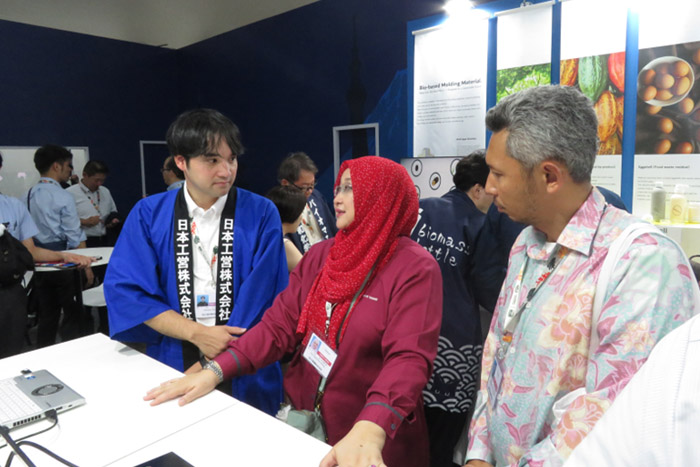
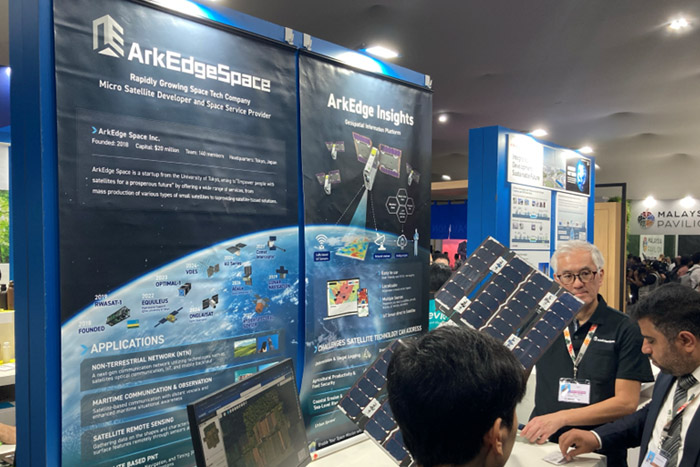
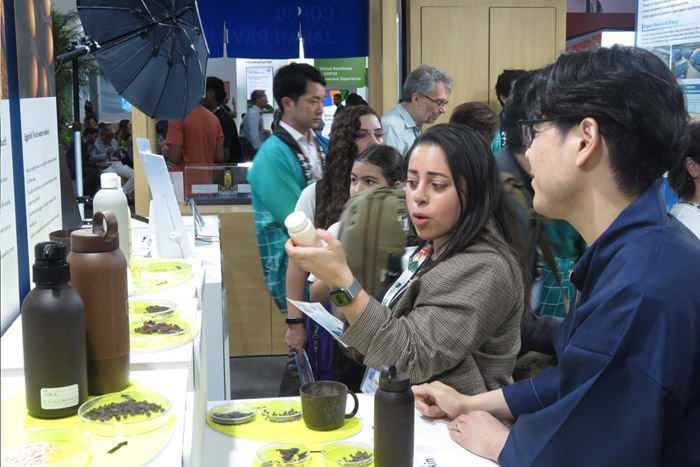
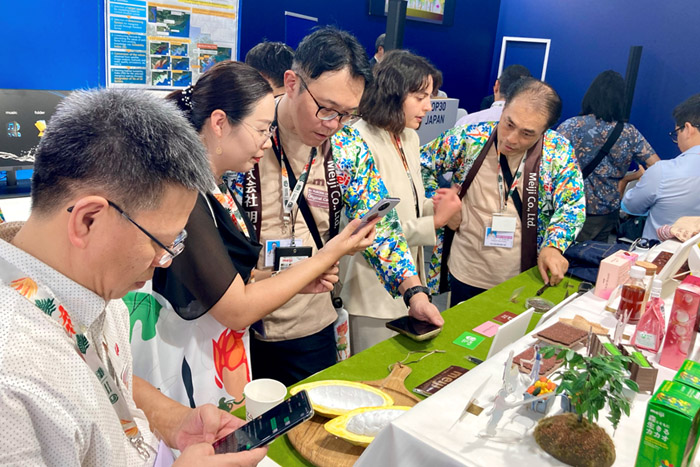
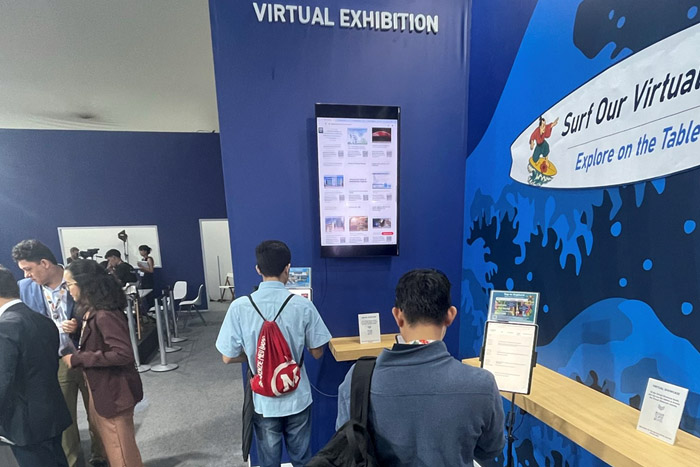
Nine Japanese companies showcased environmental technologies related to renewable energy, energy efficiency, satellite data utilization, and waste recycling. The Japan Pavilion was lively every day, attracting high-level visitors such as ministers from more than 20 countries, and strongly promoted Japan’s decarbonization technologies to the world. In addition, a virtual exhibition was offered online, where visitors actively interacted with tablets, showing strong interest in Japan’s technologies.
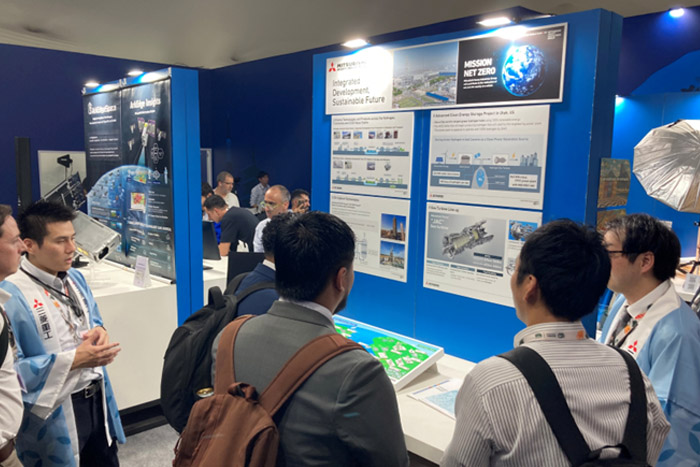
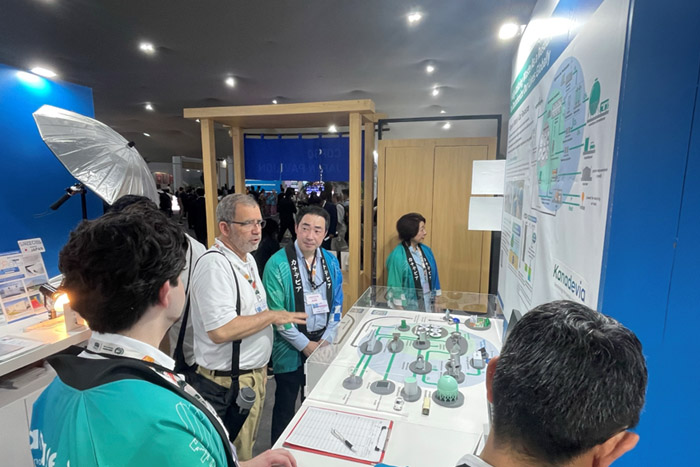
Virtual Showcase
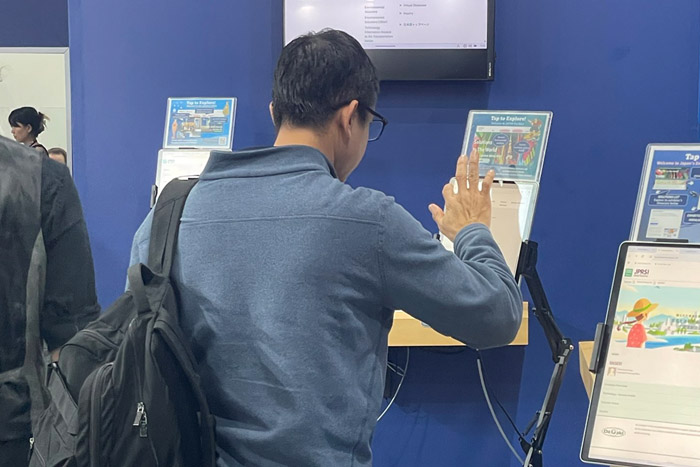
A visitor who are interacting tablets
A collection of short videos from exhibitors screened at the venue
VIRTUAL SHOWCASE
Virtual exhibition site was set up on the JPRSI website to introduce various Japanese products, services, technologies, etc.
Solutions on Display
- From the Forest of Yanbaru to the World – A Japanese Island's Blueprint for Future of Energy and Resilience
- Fully Utilizing Waste as Resource to Decarbonize Our Lives Globally
- Integrated Development of Hydrogen - Ammonia, and CCUS by MHI Group
- [Energy Transition] Solutions Contributing to Grid Stability for Non-Fossil Energy Utilization (Hitachi)
- [Energy Transition] Sustainable Mobility Solutions (Hitachi)
- Production and Utilization of Green Hydrogen & Aluminum Hydroxide from Underutilized Waste Aluminum Resources
- SAF (Sustainable Aviation Fuel) Production Technology from Wastes
- Integrated System of Air-conditioning and Energy Recovery Ventilation
- Climate Adaptation and Mitigation with Radiative Cooling Material "SPACECOOL"
- Deploying Zero Energy Building (ZEB) Design Business for Decarbonized Society
- [Thermal Management] Base of AI Society: Introduction to Nidec Group Technologies and Products
- [Electricity Generation, Storage, Charge and Conversion] Sustainable Infrastructure and Energy: Introduction to Nidec Group Technologies and Products
- [From Mechanical power to Heat] Efficient Manufacturing: Introduction to Nidec Group Technologies and Products
- [From Electric Power to Mechanical Power] Better Life: Introduction to Nidec Group Technologies and Products
- [From Electric Power to Mechanical Power] Mobility Innovation: Introduction to Nidec Group Technologies and Products
- Carbon Storage Technology Using Environmentally Friendly Construction Materials with Biochar Utilization.
- [Emerging Energy Demand] Sustainable Data Centers (Hitachi)
- High-Efficiency and Scalable Forest Analysis Technology for Contribution to Brazil’s NDC
- Satellite Digital Soil Maps and Farmer Activity Visualization for Agricultural Land Sustainability Analysis
- Satellite-based Geospatial Platform for Disaster, Environment, Climate-Resilient Agriculture
- System Development to Support Creation of Blue Carbon Ecosystem, "MobaDAS"
- Circular Green Fertilizer Project through Innovative NH3 Synthesis Technology
- Biodegradable Plastic from Upcycled Cocoa Parts - World’s First Cacao Ceramide Material
- Regional Resource Circulation Model Realized through Agriculture-Industry Collaboration
- Bioplastics Manufacturing Technology Turning Wastes into Resources
- Plant-Based Biodegradable Plastic from Brazilian and Latin American Agricultural Waste (Cocoa, Coffee, Acai, etc.)
- Eco-Town Development Project by Eight-Japan Engineering Consultants Inc.
- Disaster Mitigation, Prevention and Local Revitalization through Domestic Cedar-Powder Scented Portable Toilet
- Technical Support for Expanding Resource Recovery Items
- Waste Management Consultation Business
- Formulation and Implementation Support for Waste Composition Survey Plans in Developing Countries
- Support Technology for WtE Facility (Plan, Bid Support, Design/Construction/Operation/Demolition Supervision)
- Plan/Design/Bid Support and Construction Supervision Technology for Semi-Aerobic Waste Landfill “Fukuoka Method”
- Support to Promote Plastics Recycling
- Sustainable Matching Platform for Agroforestry
- CCS Technology Demonstrated in Tomakomai and Safe, Low-cost, Large-scale CO2 Ship Transportation Technology
- Innovative Carbon Management with Iron Oxide Technology
- Nitto's Membrane Separation Technologies for Decarbonization and Resource Recycling(CO2, Alcohol, Water)
- Collaboration Platform for Carbon Recycling
- Biochar And Its Application Technology to Generate Carbon Credits
- JICA Strategy to Climate Crisis
- SENSING BAR: Self-sufficient Sensing Device That Transmits Data from Farmland and Forest Environments
- MICRO-CONDUCTOR: Micro-conductor That Collects Weak Electricity from Ambient Humidity and Human Breath
- STAND ALONE LIGHT: Self-sufficient Lighting Solution for Disaster Scenarios and Off-grid Environments
- [Mitigation & Adaptation] Flood simulator "DioVISTA/Flood", "FloodS" - Enabling Simulate Floods on the Web (Hitachi)
- [Mitigation & Adaptation] Nutrient Supply Management Project for Blue Carbon (Hitachi)
- Ocean Digital Twin
- Development of Ocean Environment Monitoring System
- Nippon Life Nature Finance Approach
- Refrigerant Leakage Detection System ”Flon Keeper”
- Efficient Integrated ESG Rating and Information Management System
- Green Slow Mobility, Eco-Drive, Green Management Certification System, Environmentally Sustainable Transportation
- Shaping the Future of Sustainability Together
- Contributing to Decarbonized Society by Reducing GHG Emissions and Fossil Fuel Use through Recycled Fuel Production
- ”Altruism” & “Regeneration” Supporting Kitakyushu, Japan's Leading Sustainable City
- Enlightenment and In-depth Consultancy for GHG Emission Reduction at Corporations and Others
- [Energy Transition] Nuclear Technology (Hitachi)
- [Energy Transition] Hydrogen Solutions and R&D (Hitachi)
- Providing Incubation Facilities and Support Services for Decarbonization-related Startups
- Sustainability Value Accelerator
- GREEN×EXPO 2027
*Example of Solutions on Display
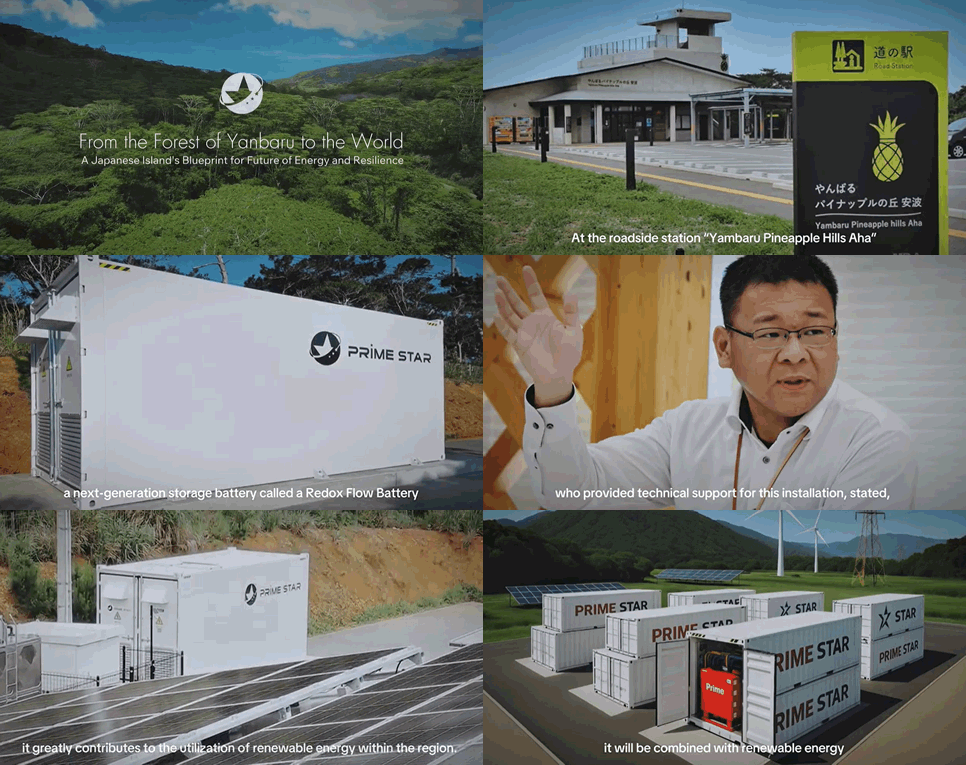
Prime Star Co.,Ltd.

FRUTA FRUTA, Inc.

Hitachi, Ltd.
NIDEC CORPORATION
Seminars on climate change organized by various stakeholders
Government agencies, private sector representatives, and international organizations participated and hosted seminars on climate change from various perspectives.
*Examples of seminars
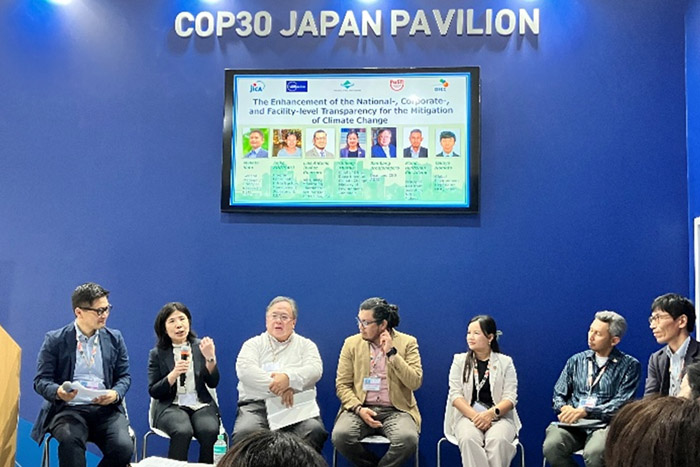
Mr. DOI, Vice-Minister for Global Environmental Affairs of MOEJ unveiled the “Support Initiative for Transparency in Asia (SITA)” logo. SITA, supporting BTR development, was newly introduced under the revised Japan-ASEAN Climate Environment Strategy Program (SPACE) at the 3rd Japan-ASEAN Ministerial Dialogue. ADBI’s Dean, Mr. Bambang, emphasized that transparency must go beyond national levels to include regional, financial, corporate, and facility dimensions, stressing the need to mobilize climate finance. Speakers from NRES Malaysia and Cambodia’s MoE highlighted PaSTI cooperation through online reporting and BTR development. A representative from Lima Callao ATU in Peru presented a JICA-backed MRV project in urban transport, underscoring sectoral collaboration for Climate Fund access. The session concluded by stressing business incentives and continuous cooperation in GHG MRV for effective climate change mitigation.
In the opening remarks, FAO brought up the importance of Japan's role in addressing climate change through innovations. In the keynote, Mr. KUBOTA, deputy assistant minister, MAFF introduced the framework of the “Initiative for Net-Zero compatible with Food security through INternational expansion of Innovative TechnologY (MIDORI∞INFINITY),” as well as relevant approaches based on MIDORI∞INFINITY.
Subsequently, the alliance of voluntary Japanese private-sector of the “MIDORI Consortium”, endorsing the purpose of MIDORI∞INFINITY showcased projects contributing to GHG emission reductions in the agriculture, livestock, and MRV sectors. At the end, those presentations were wrapped by ""Statement at COP30 on Climate Change, Agri-Food System, and Sustainable Development"".
Throughout this seminar, the importance of initiatives to deploy GHG emission reduction technologies overseas and attract climate finance to the agricultural sector through public-private partnership based on MIDORI∞INFINITY was emphasized.

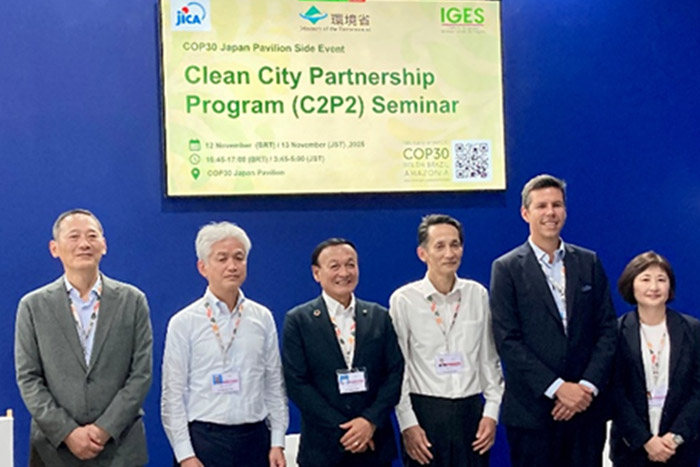
Mr. DOI, Vice-Minister for Global Environmental Affairs of MOEJ, emphasized the importance of sharing good practices and knowledge at the city level, and highlighted that more than 30 decarbonization projects have been developed under the C3P. Mr. ITO, DG of JICA’s Global Environment Dept. introduced the Clean City Initiative (JCCI) with relevant examples. As a good example of city-to-city collaboration, Mayor Fujii of Toyama City and Mayor Castro of Renca presented their climate actions and shared key lessons, including Renca’s collaborative framework among local stakeholders and effective use of social media, as well as Toyama’s policy alignment through multi-level collaboration, holistic climate actions, and long-term vision with strong private-sector cooperation. In the case between Osaka City and the State of Maharashtra (India), Mayor YOKOYAMA introduced Osaka’s contributions to environmental conservation and decarbonization of the state, based on its pollution control experience and potential application of advanced technologies. Mr. KUWAHARA, President of Kanadevia Corp., explained on-going feasibility study on green hydrogen and methanation technologies under the program.
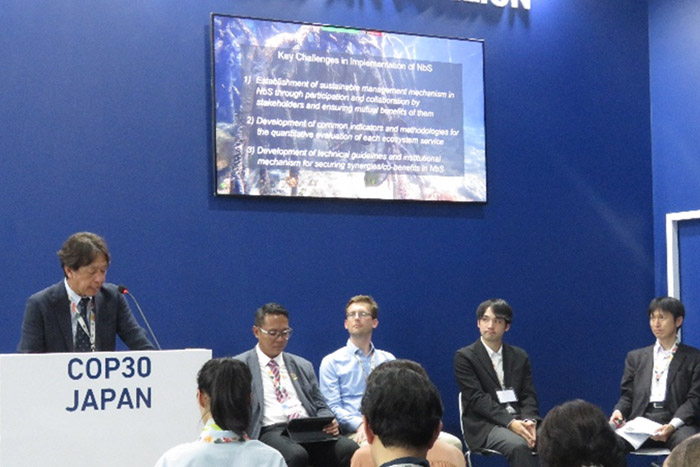
Participants emphasized that ensuring Early Warning Systems (EWS) reaches in vulnerable countries and communities requires close cooperation between the public and private sectors. Such collaboration is essential for enhancing the versatility of EWS functions and strengthening resilience across the value chain.
Governments and international organizations were playing a key role in identifying the needs of affected regions and designing responses. Their ability to convene major stakeholders is also vital for generating synergies and improving the action. The private sector contributes by providing sustainable services tailored to local contexts and by viewing disaster risk reduction and business continuity management as strategic assets that enhance corporate value. Financial institutions were highlighted as particularly influential actors; beyond supplying capital, they can advance societal change through mechanisms that extend well beyond traditional financial assistance. Their active engagement is therefore essential to accelerating the broader transformation needed across societies.
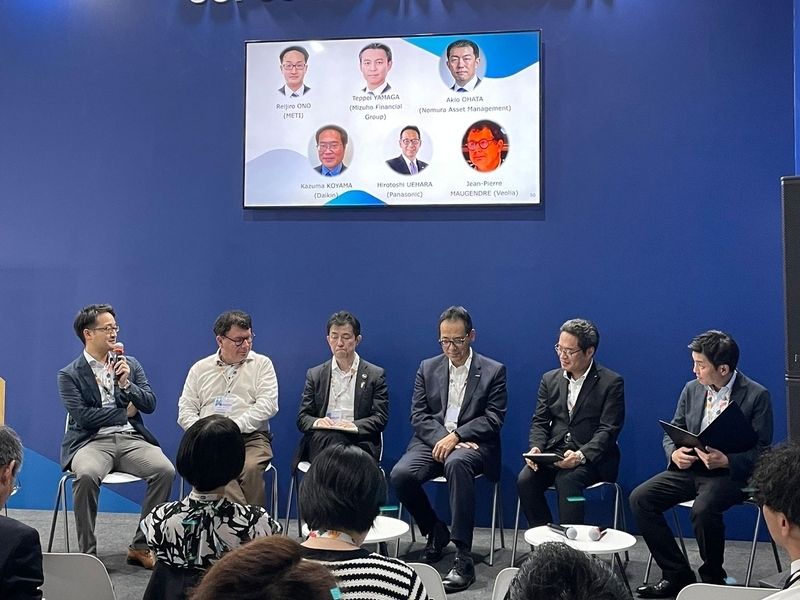
This seminar focused on “Avoided Emissions,” a concept that METI and WBCSD have been promoting globally, aiming to enhance effective and efficient information disclosure and accelerate financial institutions’ initiatives using disclosed data. The leading companies shared how they perceive and utilize avoided emissions in practice.
The seminar featured an introduction to METI’s initiatives and WBCSD’s latest efforts, along with discussions on challenges related to capital raising and expansion. It provided insights into practical methods to leverage avoided emissions and the disclosure requirements sought by financial institutions in investment and lending evaluations. Going forward, avoided emissions will continue to be highlighted as a bridge connecting corporate sustainability goals with financial strategies.
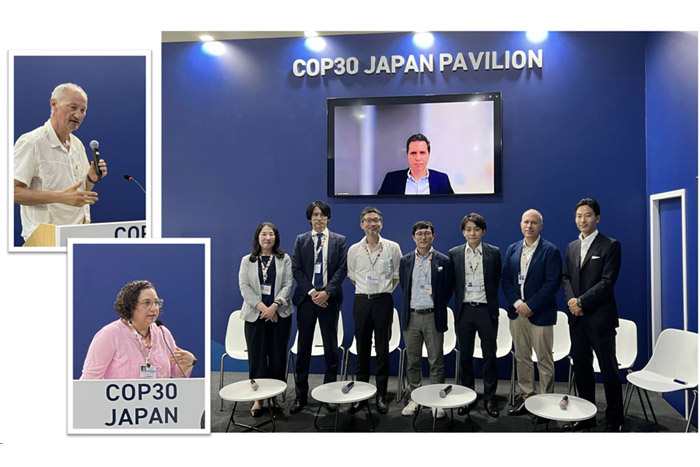
A seminar on climate mitigation using the GOSAT satellite was held at the Japan Pavilion during COP30, co-organized by Japan, Kazakhstan, and Mongolia. This hybrid seminar featured 12 speakers and over 25 on-site participants.
Discussions centered on international standardization of GHG emission estimation using GOSAT and green investment promotion in Central Asia and Mongolia. Japan proposed a ""hybrid methodology"" integrating bottom-up and satellite-based top-down approaches for IPCC guidelines. Mongolia reported on Green Climate Fund (GCF) projects targeting 112 million tCO₂e reductions with GOSAT-based MRV. Kazakhstan presented IGTIPC's green investment pipeline initiatives.
Participants agreed on three outcomes; necessity of the hybrid methodology, its demonstration through Mongolia's GCF FP154, and integration of satellite-based transparency into regional green investment. Results will be fed back into IPCC and UNFCCC discussions.
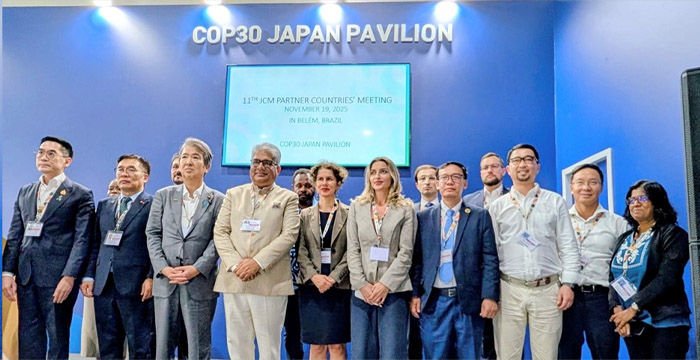
The meeting was attended by ISHIHARA Hirotaka, Minister of the Environment, Japan, and representatives from 15 JCM partner countries. They once again shared that the Joint Crediting Mechanism (JCM) is steadily contributing to global GHG emission reductions and removals by formulating more than 280 decarbonization projects in cooperation with partner countries.
Minister ISHIHARA also announced the “Joint Statement: Early Mover Group of Article 6.2 Bilateral Cooperative Approaches”. The Ministry of the Environment of Japan will continue to implement the JCM as a market mechanism consistent with Article 6.2 of the Paris Agreement, contribute to global greenhouse gas emission reductions and removals, the achievement of NDCs and sustainable development of partner countries, thereby contributing to global decarbonization efforts.
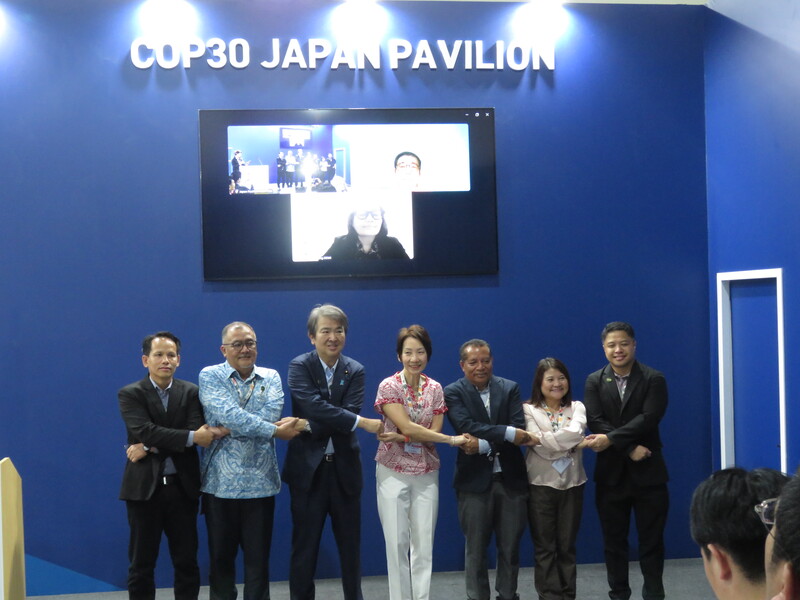
At the opening, Minister ISHIHARA introduced Japan’s Initiatives to Address Climate Change 2025, emphasizing Japan’s commitment to advancing decarbonization—particularly in Asia—through nature-based synergies, innovative market and technology solutions, and enhanced transparency.
High‑level representatives from Singapore, Indonesia, Timor-Leste, the Philippines, Lao PDR, and Brunei expressed strong support for the ASEAN–Japan Report and shared high expectations for Japan’s continued support, including AIM-based NDC development, PaSTI transparency efforts, and BTR capacity-building through SITA.
They also highlighted key progress achieved this year through AIM collaboration, such as Japan’s contributions to Thailand’s NDC 3.0, Indonesia’s cement‑sector roadmap, and Lao PDR’s NDC 3.0.
In the closing, MOEJ reaffirmed that ASEAN and Japan will jointly develop a report outlining an Asia-specific decarbonization‑driven growth model toward contributing to GST2, marking the conclusion of the seminar.
Voice from Visitors and Exhibitors
The Japan Pavilion showcases technologies that are not found in other pavilions, which has led to positive feedback from visitors such as: “I was able to hear explanations directly from exhibitors at each stand, making it very interactive and enjoyable. The content was truly excellent.” “It featured objects that cannot be seen in other areas, displaying incredibly innovative items, making it one of the best pavilions.”
-
Experience Japan’s environmental technologies in a visual and intuitive way
Through actual exhibits and panels, you can experience Japanese technologies visually and intuitively. -
Strengthening networking
The Japan Pavilion provides opportunities for networking and future collaboration with Japanese companies with Japan’s advanced technologies.
Related Informaton